

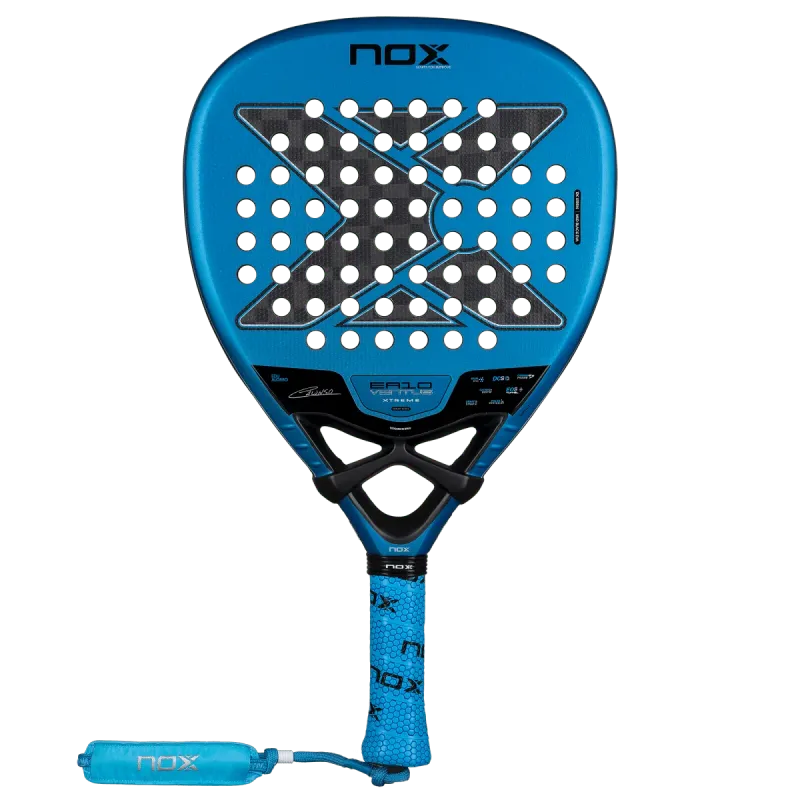
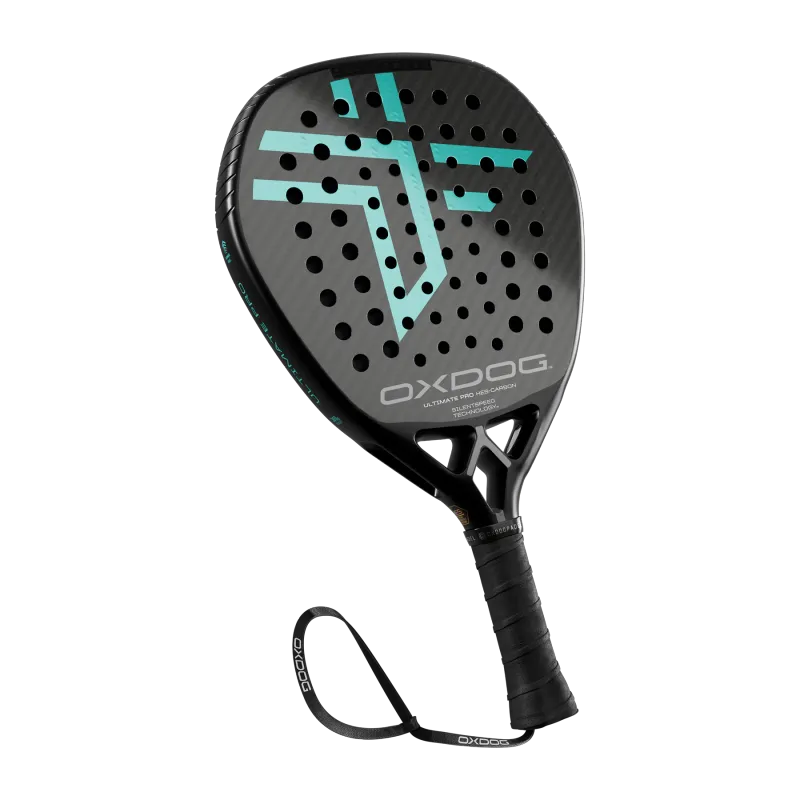
The NOX EA10 Ventus Attack 12K Xtrem Edu Alonso and the Oxdog Ultimate Pro 2026 are both diamond-shaped frames built for aggressive players looking to dominate from the net. In our assessment, the Oxdog Ultimate Pro 2026 leans into maximum power with a rating of 5 out of 5, making it ideal for advanced attackers. Meanwhile, we rate the NOX EA10 Ventus Attack at 4 out of 5 on our power versus control scale, providing a slightly more controlled response for pro-level offensive players.
| Feature | NOX EA10 Ventus Attack 12K Xtrem Edu Alonso | Oxdog Ultimate Pro 2026 |
|---|---|---|
| Shape | Diamond | Diamond |
| Manufacturer Level | Pro | Advanced |
| Season | Not stated | 2026 |
| Weight | 360–375 g | 365 g |
| Face Material | Carbon Fiber 12K Xtrem | Not stated |
| Core | Not stated | Medium+ |
| Core Hardness (our assessment) | Not stated | Medium |
| Power vs Control (our assessment) | 4 / 5 | 5 / 5 |
| Sweet Spot (our assessment) | Small | Small |
| Target Player Types (our assessment) | Attacker | Attacker |
Which one has more power?
When comparing offensive capabilities at the net, both frames utilize diamond shapes designed to generate leverage on overhead shots. However, in our assessment, the Oxdog Ultimate Pro 2026 reaches maximum power, scoring a 5 out of 5 on our scale. According to Oxdog, the racket features a Medium+ core, which in our assessment translates to a medium core hardness. This core paired with its fixed 365 g weight allows advanced attackers to generate high ball acceleration on smashes and aggressive viboras.
The NOX EA10 Ventus Attack 12K Xtrem Edu Alonso features Carbon Fiber 12K Xtrem on its face, as stated by the manufacturer. In our assessment, its power versus control rating sits at 4 out of 5. While it provides substantial pop for net play and attacking strokes, it yields slightly less maximum output than the Oxdog, offering a touch more predictability when driving balls hard from the back court or taking aggressive volleys.
Which is easier to play?
Neither racket is built for high forgiveness. In our assessment, both the NOX EA10 Ventus Attack and the Oxdog Ultimate Pro 2026 feature a small sweet spot. Defensive play off the glass requires accurate contact; off-center strikes will feel unforgiving on both models.
Maneuverability varies slightly by weight. The Oxdog Ultimate Pro 2026 is produced at a set weight of 365 g and rated for advanced players. The NOX EA10 Ventus Attack comes in a range between 360 g and 375 g and is categorized by NOX as a pro-level racket. A lighter unit of the NOX frame (around 360 g) may feel quicker during fast volley exchanges at the net, whereas a heavier unit (up to 375 g) adds extra weight behind shots at the expense of arm agility. The exact core material of the NOX racket is not stated, and the face material of the Oxdog racket is not stated.
Who should buy which?
NOX EA10 Ventus Attack 12K Xtrem Edu Alonso
- Pro-level attacking players seeking a diamond shape with a Carbon Fiber 12K Xtrem face.
- Offensive players who want a small sweet spot paired with a 4 out of 5 power rating in our assessment for slightly better control.
- Players who prefer selecting from a weight range of 360–375 g.
Oxdog Ultimate Pro 2026
- Advanced players demanding top-tier power (rated 5 out of 5 in our assessment).
- Attackers looking for a diamond shape with a Medium+ core and medium core hardness in our assessment.
- Players who prefer a standardized 365 g frame tailored for high-impact net play, smashes, and viboras.
Frequently asked questions
What is the core difference between these two diamond rackets?
The main difference is the power output and stated specifications. In our assessment, the Oxdog Ultimate Pro 2026 achieves a 5 out of 5 power rating with its Medium+ core, whereas we rate the NOX EA10 Ventus Attack at 4 out of 5 for power versus control. The core of the NOX model is not stated.
Are these rackets suitable for intermediate players?
No. The NOX model is aimed at pro players and the Oxdog model is designed for advanced players according to their manufacturers. Furthermore, in our assessment, both rackets have a small sweet spot, making them demanding and unforgiving for non-advanced players.
Which side of the court do these rackets best suit?
In our assessment, both rackets are designed for attackers. They fit left-side players (or aggressive right-side players) who prioritize net domination, overhead smashes, and attacking volleys.